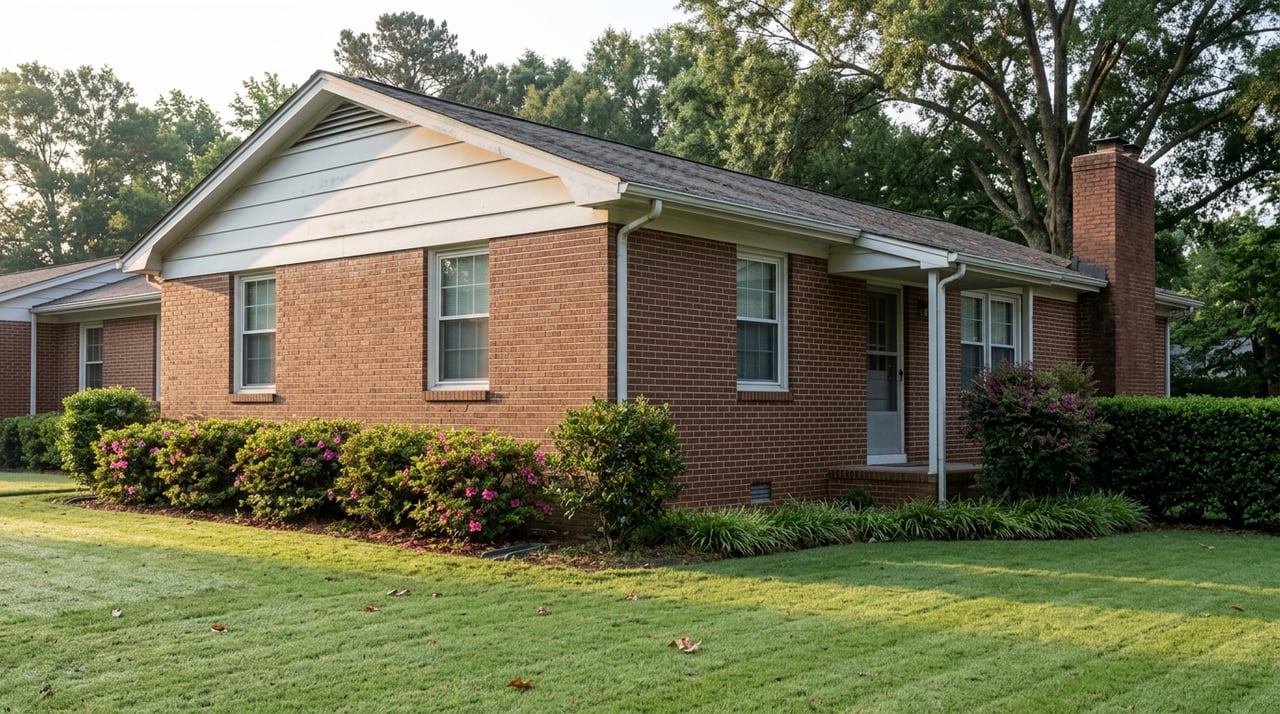
The Real Competition for Your Abney Hills Listing Isn't the House Next Door
August 20, 2026
August 20, 2026
Drive down Fulmer Road toward Abney Hills Estates this month and you'll pass two kinds of signs. One is a For Sale sign in front of a brick home built sometime after 2014, back when the neighborhood was still filling in lot by lot. The other points toward the sales office and model home at 711 Oak Valley Drive, where Stanley Martin Homes is still actively building and closing new construction inside the same subdivision.
For a seller with an established resale home, that second sign is the one worth paying attention to. It is not a different neighborhood competing for the same buyer. It is the same neighborhood, the same HOA, in some cases the same street, and it comes with financing terms and disclosure rules that work differently than the ones governing a private-party sale.
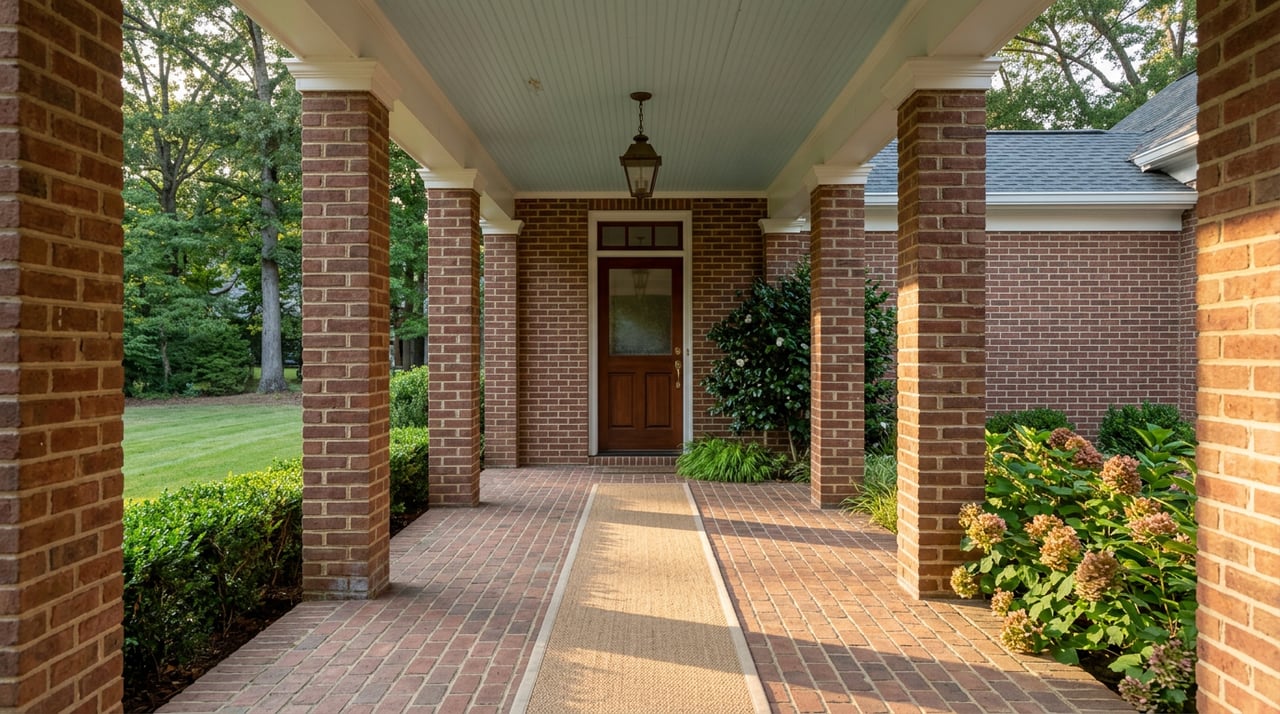
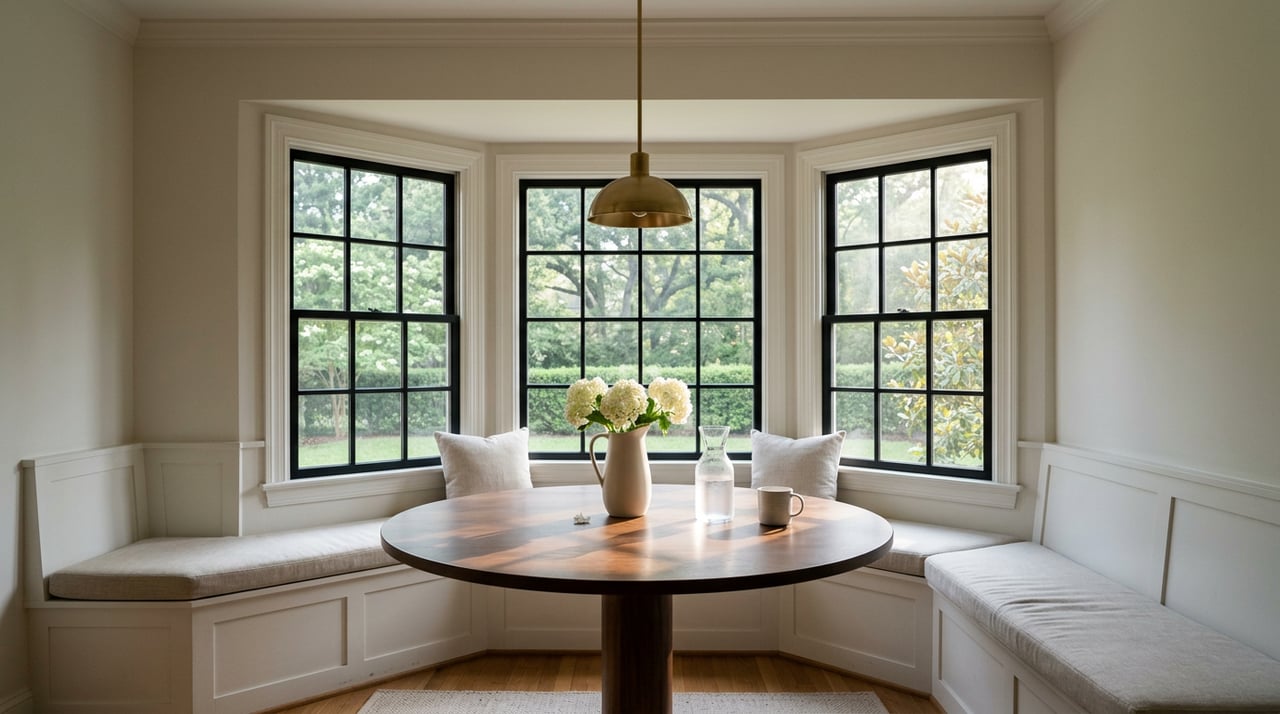
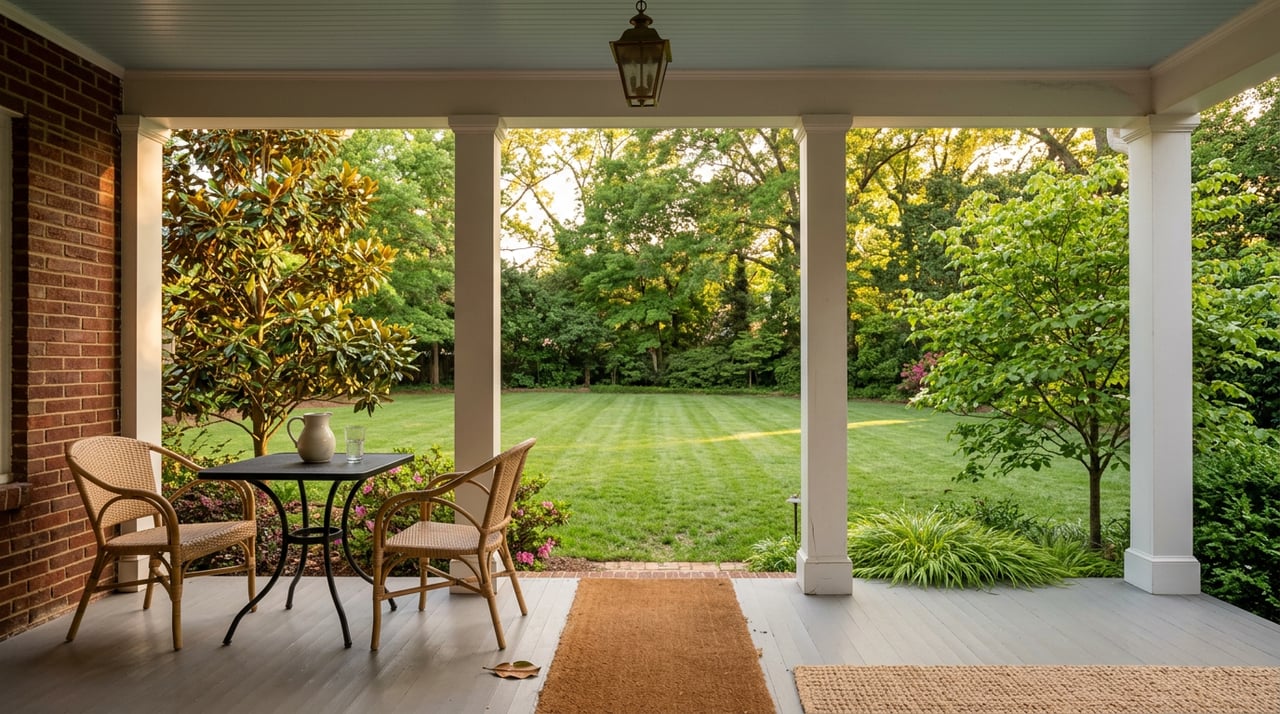
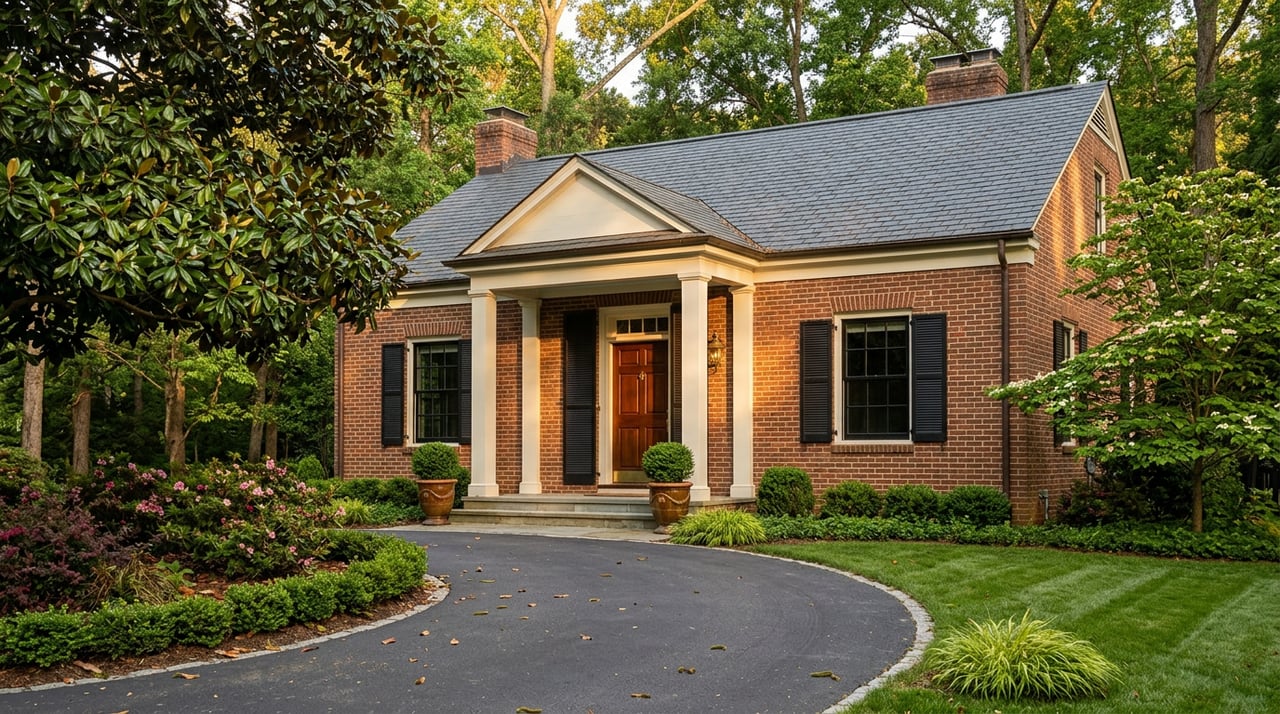
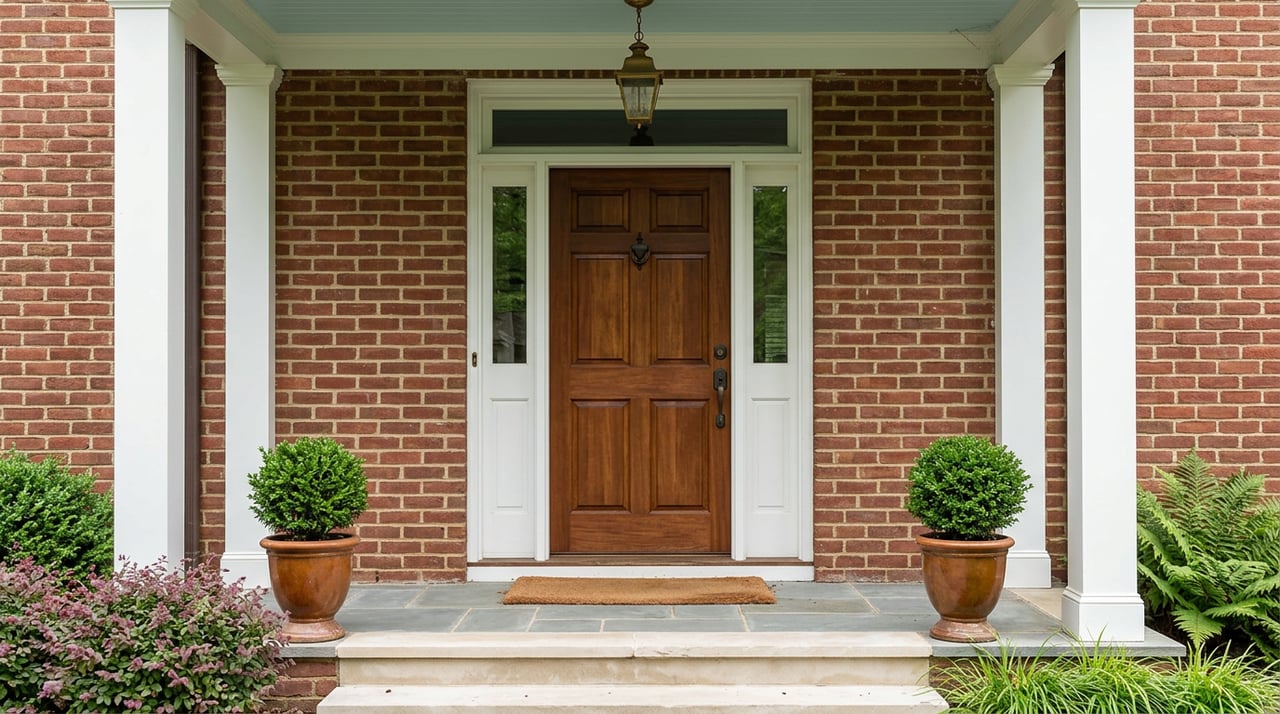
Abney Hills Estates has always been two things at once. The original section, developed starting around 2013 and 2014, is made up largely of traditional brick homes on generous lots, the kind of place where mature trees and screened porches now read as established rather than new. Layered on top of that is Stanley Martin's active build-out, with floor plans named Kershaw, Highland, Indigo, and Wallace still going up on remaining homesites, some already move-in ready.
A buyer touring the area this fall can walk through a decade-old resale home in the morning and a brand-new Highland plan with GE stainless appliances and luxury plank flooring in the afternoon, both under the Abney Hills name, both zoned to the same schools, both paying into the same homeowners association. That overlap is what makes this market unusual. Most established neighborhoods stop competing with their own builder years after the last house goes up. Abney Hills hasn't reached that point yet.
As of early August 2026, builder-advertised financing on select move-in-ready Abney Hills homes has included fixed rates in the 5.125 to 5.375 percent range, or up to $15,000 applied toward closing costs, depending on the listing and lender. That is not a rate a resale seller can casually match. It comes from the builder's in-house financing arrangement, built into the price of the new home, and it is the kind of number that changes a buyer's monthly payment calculation before they ever compare square footage.
The builder's plan for the community lists 110 single-family homes within a larger 242-home footprint, with 14 move-in ready homes on the ground as of early August. Every one of those homes represents active, well-funded competition sitting inside the same gate as any resale listing. HOA dues on the new-construction side run $42 a month covering ground maintenance, though resale sellers should confirm their own section's dues directly, since fees and covenants can differ slightly by phase.
Here is what that comparison looks like laid out side by side:
| Resale home in Abney Hills | New construction (Stanley Martin) | |
|---|---|---|
| Financing | Buyer arranges independently, market-rate | Builder-advertised rates as low as 5.125%, or up to $15,000 toward closing costs |
| Disclosure | Seller must complete South Carolina's Residential Property Condition Disclosure Statement | Exempt as an initial sale of new construction |
| Warranty | Remaining life of any prior builder warranty, if still active | Full new-home warranty from Stanley Martin |
| HOA | Same community, confirm dues by section | $42/month as advertised for the new-construction phase |
None of this means a resale home can't compete. It means a seller who lists without understanding the comparison is negotiating blind against a buyer who has already seen it.
Here is the part that catches sellers off guard more than financing does. South Carolina's Residential Property Condition Disclosure Act, codified at Title 27, Chapter 50 of the state code, requires most residential sellers to complete a written disclosure statement before a buyer signs a contract. That form covers the roof, foundation, plumbing, electrical and HVAC systems, past pest or dry rot issues, known encroachments, and environmental hazards, all based on the seller's actual knowledge rather than any duty to inspect. The official disclosure form is published by the South Carolina Real Estate Commission.
That statute exempts the initial sale of newly constructed homes. A buyer walking through a Stanley Martin spec home is not looking at a disclosure statement at all, because there is no prior owner's knowledge to disclose. A buyer walking through a resale home a few streets away is looking at a document that, by law, has to surface anything the seller knows might affect value.
That is not a reason to soften a disclosure or hope a buyer doesn't ask questions. It is a reason to get ahead of it. A pre-listing inspection, done before the home ever hits the market, lets a seller complete that disclosure form with confidence instead of guesswork, and gives a buyer's agent one less reason to wonder what a decade-old brick home might be hiding that a brand-new one isn't. Sellers should work with their closing attorney to make sure the disclosure statement reflects current, accurate information, since the law makes the seller, not the agent, responsible for what is on that form.
Blythewood's largest employment story right now sits a few miles from Abney Hills, where Scout Motors continues building out its production center. The company's own July 2026 update describes the paint shop nearing completion, following a June milestone where the first welded Scout Traveler body came off the line, part of a broader $2 billion investment with an additional $300 million supplier park announced the previous September. The facility itself broke ground on 1,600 acres in Blythewood back in 2024, and consumer vehicle production is targeted for 2028.
None of that guarantees anything about resale values, and no agent should promise that it does. But the county's own project FAQ, published alongside the development, states plainly that growth of this size has historically coincided with rising property values in similar South Carolina communities. That is the county's stated expectation, not a market prediction from this office, and it is worth knowing simply because it shapes how buyers are framing their own timelines right now. A buyer weighing a resale home against a builder incentive today is also weighing how many more buyers might be looking at Abney Hills once hiring ramps up ahead of 2028.
A few steps make the difference between listing reactively and listing with a clear picture of what you're up against:
Does my home have to match the builder's interest rate to compete? Not necessarily. Many buyers choose a resale home for the lot, the trees, or the established feel that a new-construction section can't replicate yet. But your agent should know the builder's current terms so your pricing and negotiating position account for them honestly.
Do I need a new disclosure statement for every offer? You need one disclosure statement prepared before a buyer signs a contract, but if you learn something new about the property before closing, South Carolina law requires you to correct and redeliver it. Your closing attorney can walk you through the timing on your specific transaction.
Selling in Abney Hills right now means selling with a clear-eyed view of what's across the street, not just what's next door. If you're weighing your timing, your price, or how your home stacks up against what Stanley Martin is currently offering, Kay Muri can walk through the comparison with you street by street. Let's Connect.
Stay up to date on the latest real estate trends.
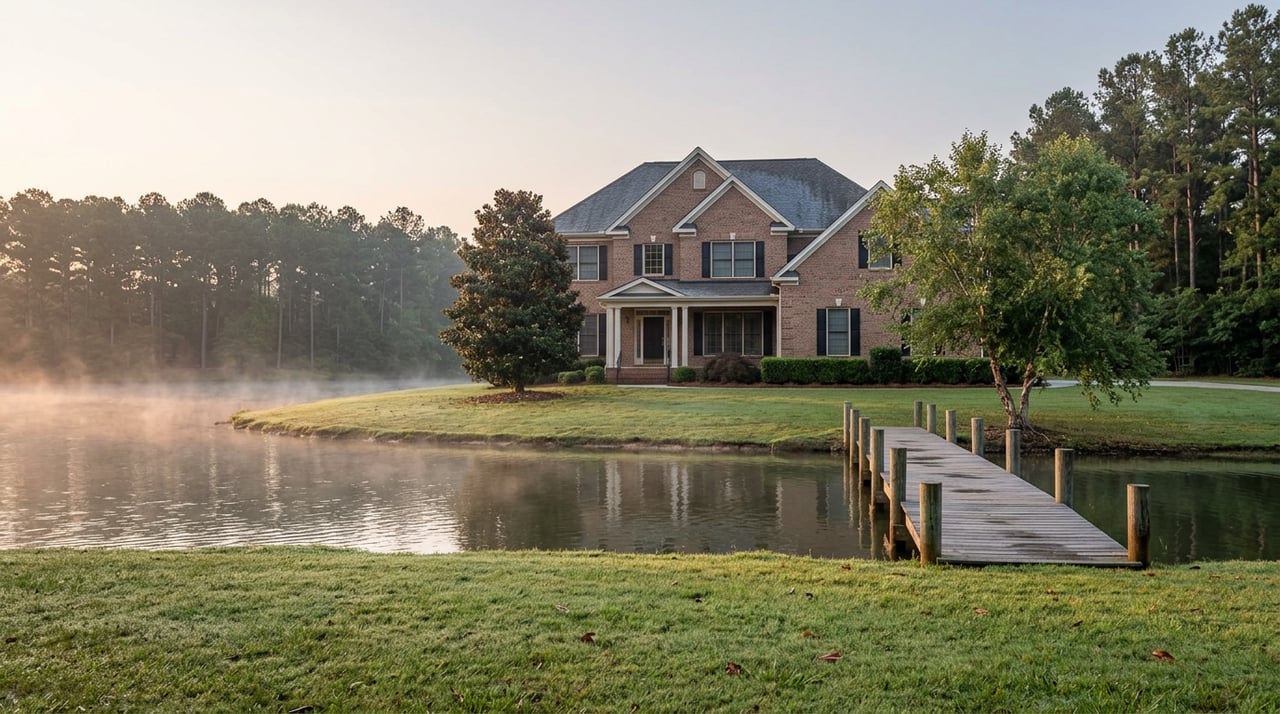
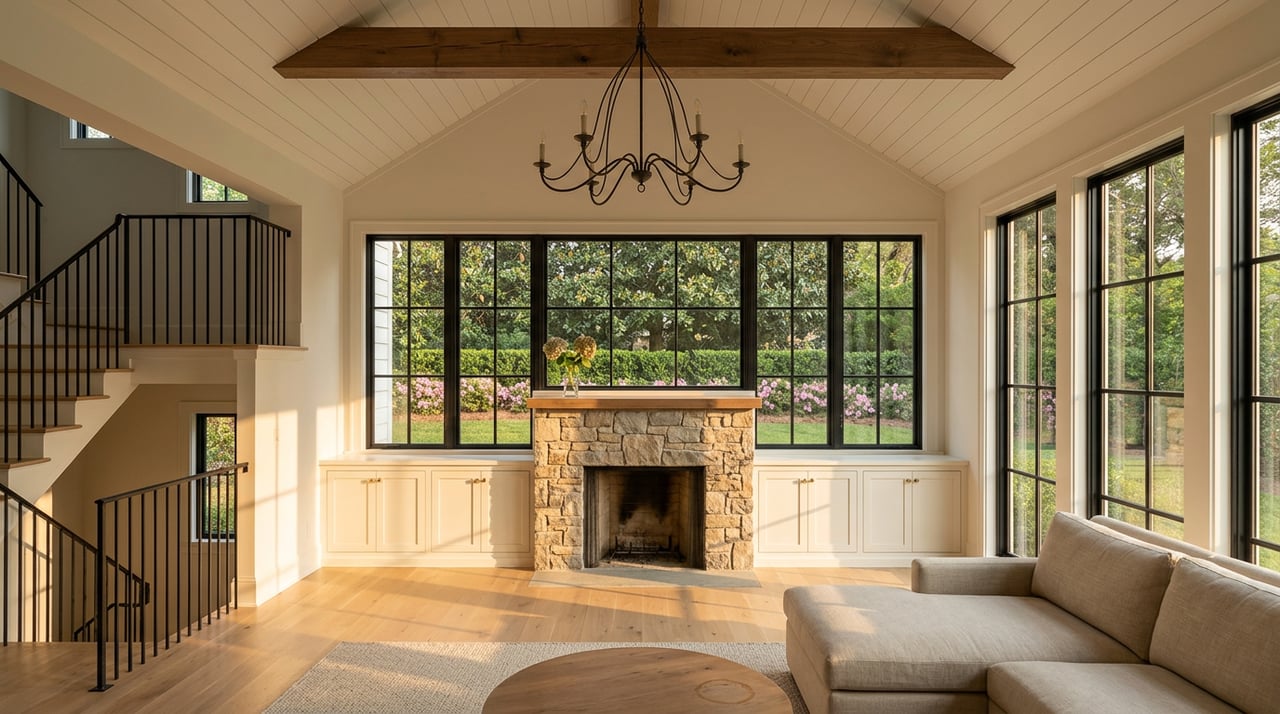
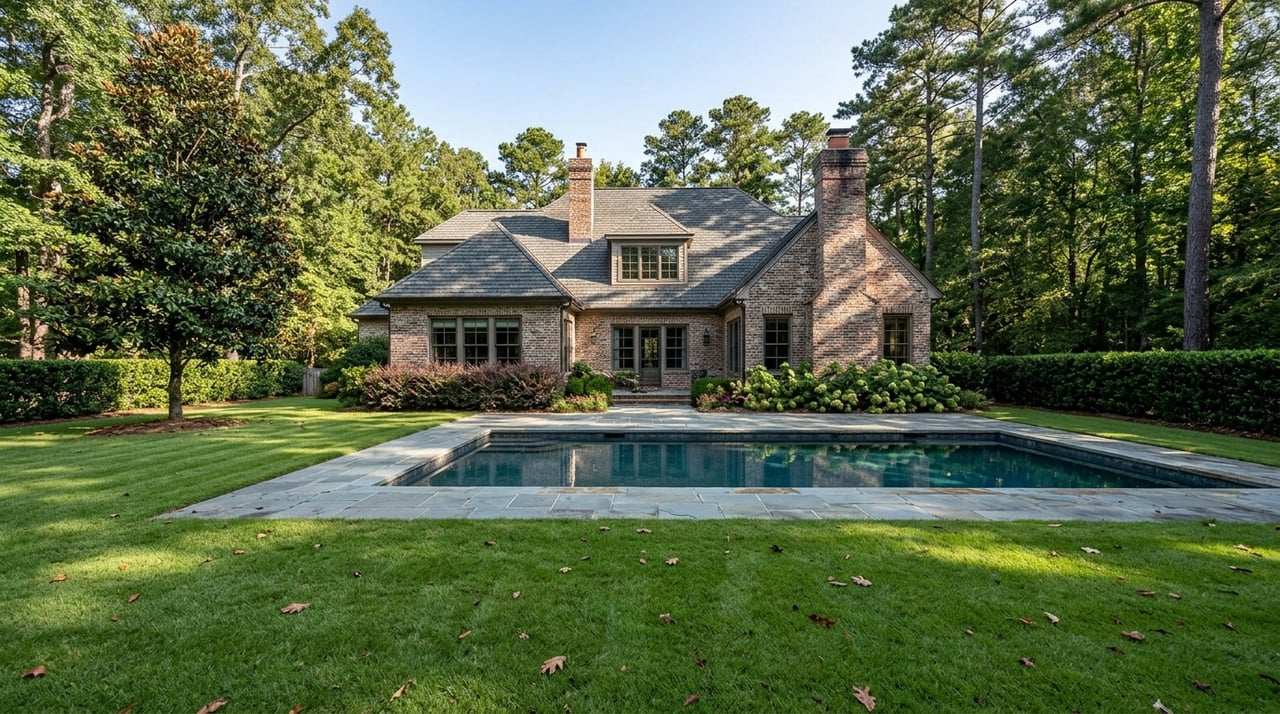
I am committed to guiding you every step of the way—whether you're buying a home, selling a property, or securing a mortgage. Whatever your needs, I've got you covered.
Kay Muri
1129 Sparkleberry Lane Ext Columbia, SC 29223